
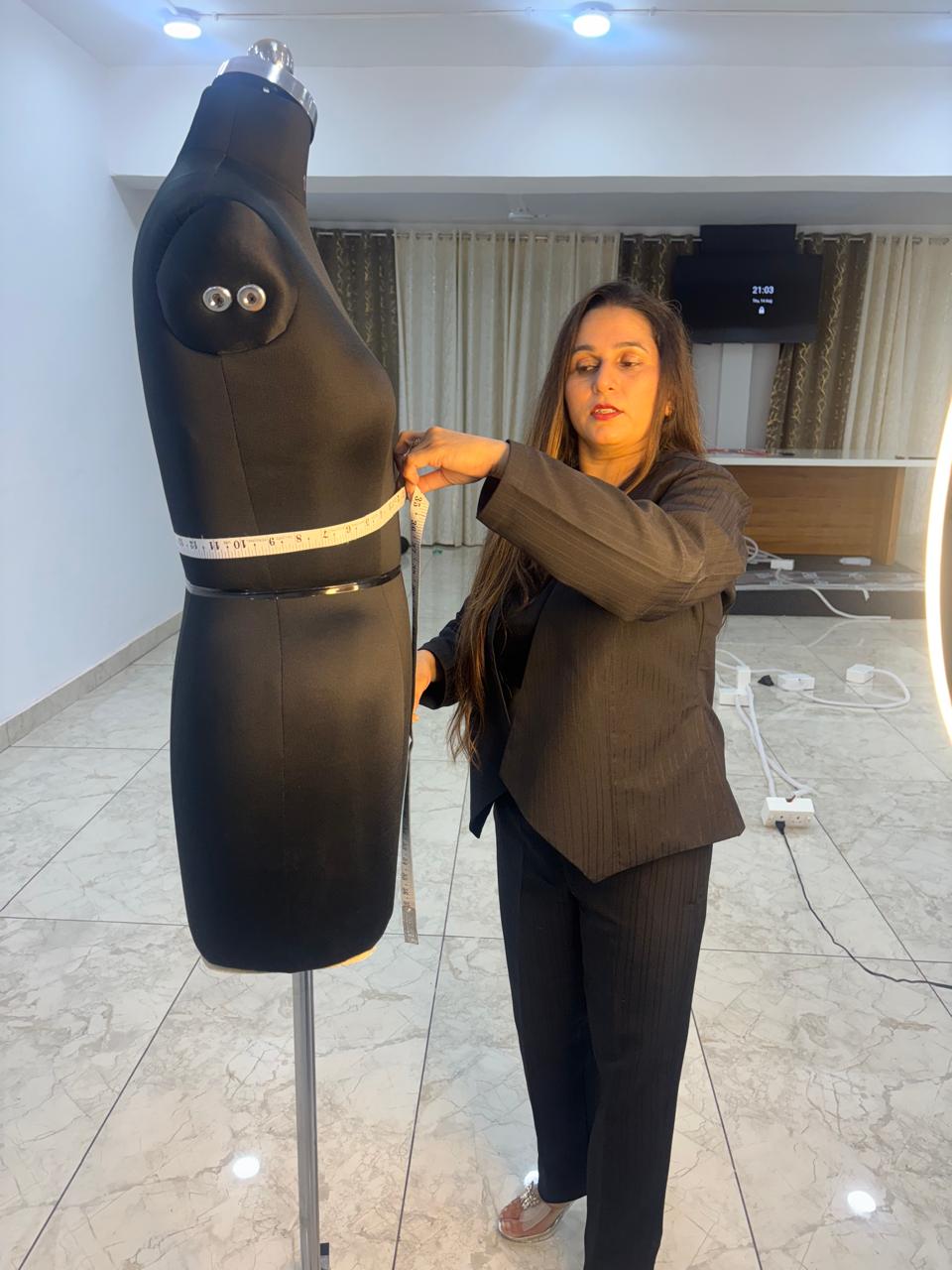
Essential Tools Every Beginner Tailor Must Have
Starting your tailoring journey is exciting — but like any skill, you need the right tools to succeed. Whether you dream of becoming a professional designer or just want to stitch clothes at home, having a well-equipped toolkit makes all the difference. In this blog, we’ll walk through the must-have tailoring tools for beginners and how each one helps you grow in your craft.
✂️ 1. Sewing Needles
The most basic yet essential tool. Hand sewing needles come in different sizes and types for various fabrics.
-
Sharp needles for everyday stitching.
-
Ballpoint needles for knits and stretch fabrics.
-
Embroidery needles for decorative work.
???? Tip: Keep a small box of assorted needles — it saves time when working with different fabrics.
✂️ 2. Scissors & Cutting Tools
A tailor’s scissors are as important as a chef’s knife! You’ll need:
-
Fabric Scissors – Large, sharp scissors only for cutting cloth.
-
Paper Scissors – For cutting patterns, so your fabric scissors don’t get blunt.
-
Thread Snippers – Small cutters to quickly trim threads.
???? Never use your fabric scissors on paper — it ruins the sharpness!
???? 3. Measuring Tools
Accuracy is the backbone of tailoring. The most common measuring tools are:
-
Measuring Tape – Flexible and essential for body measurements.
-
Ruler or Scale – For straight lines when drafting patterns.
-
French Curve/Pattern Curve – Helps draw smooth curves for necklines, armholes, and hemlines.
???? 4. Threads & Bobbins
Good stitching requires good thread. Beginners should keep:
-
Cotton thread for lightweight fabrics.
-
Polyester thread for stronger seams.
-
Silk thread for delicate finishing.
???? Keep bobbins pre-wound in different colors to save time while sewing.
???? 5. Pins & Pin Cushion
Pins are tiny lifesavers for holding fabric pieces together before sewing.
-
Dressmaker pins for general use.
-
Safety pins for quick fixes and securing elastic.
-
Pin Cushion or Magnetic Holder to keep pins safe and organized.
???? 6. Sewing Machine (Beginner-Friendly)
Hand stitching is good for practice, but a sewing machine speeds up your work. For beginners:
-
Start with a basic mechanical machine with straight stitch, zigzag, and buttonhole features.
-
As you advance, you can invest in an electronic or computerized machine for more options.
???? 7. Extra Handy Tools
-
Seam Ripper – For correcting mistakes (every tailor needs one!).
-
Chalk or Fabric Marker – To mark fabric without damaging it.
-
Iron & Ironing Board – Pressing is just as important as stitching.
-
Tailor’s Ham – A cushion for pressing curved areas like sleeves and necklines.